
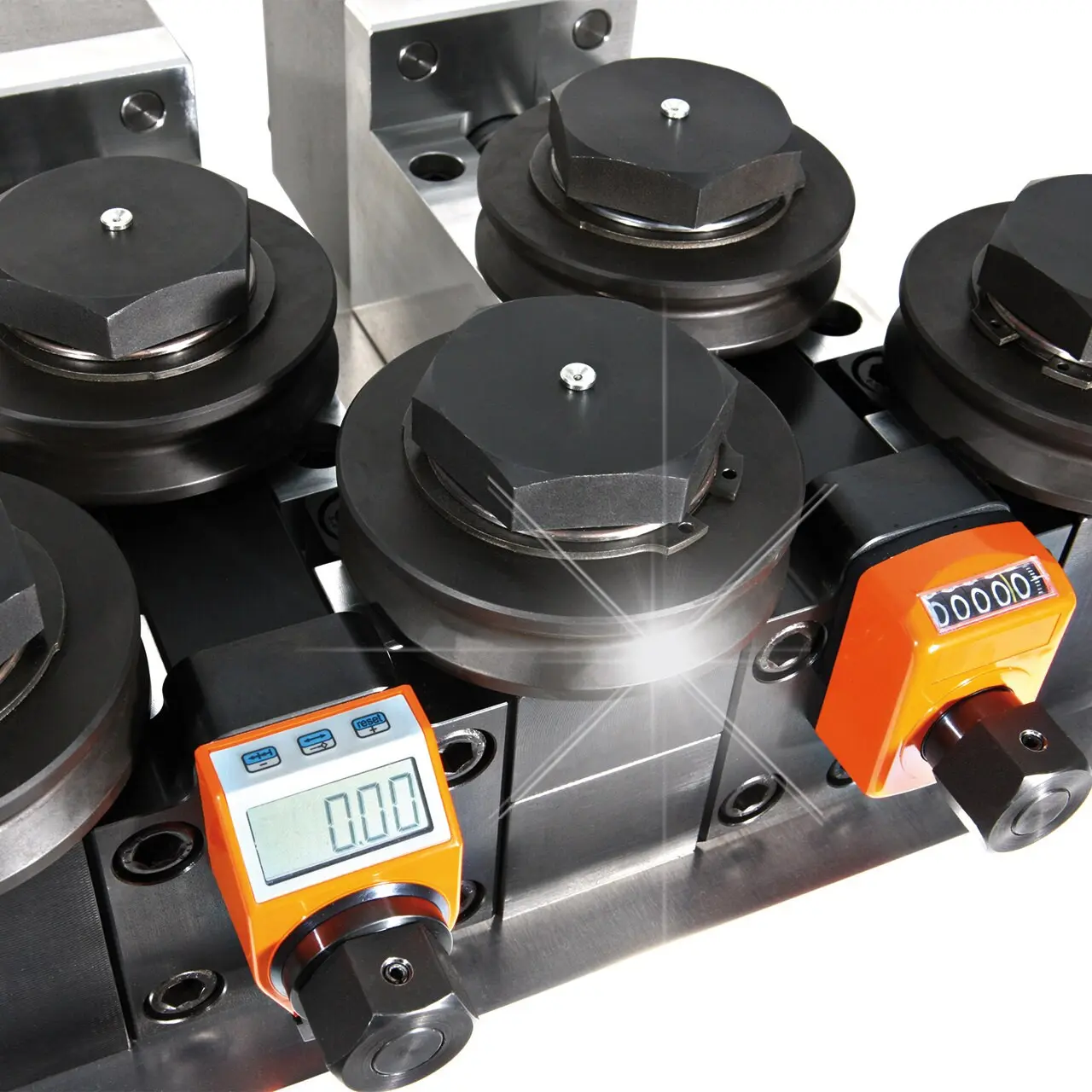
Wire Straighteners & Roll Straighteners
Roll-type wire straighteners bend wire, tube, strip, cable or profile between two offset rows of rolls to reduce curvature. Built in Germany, supported from Branford, CT, where ER straighteners in common sizes are stocked.
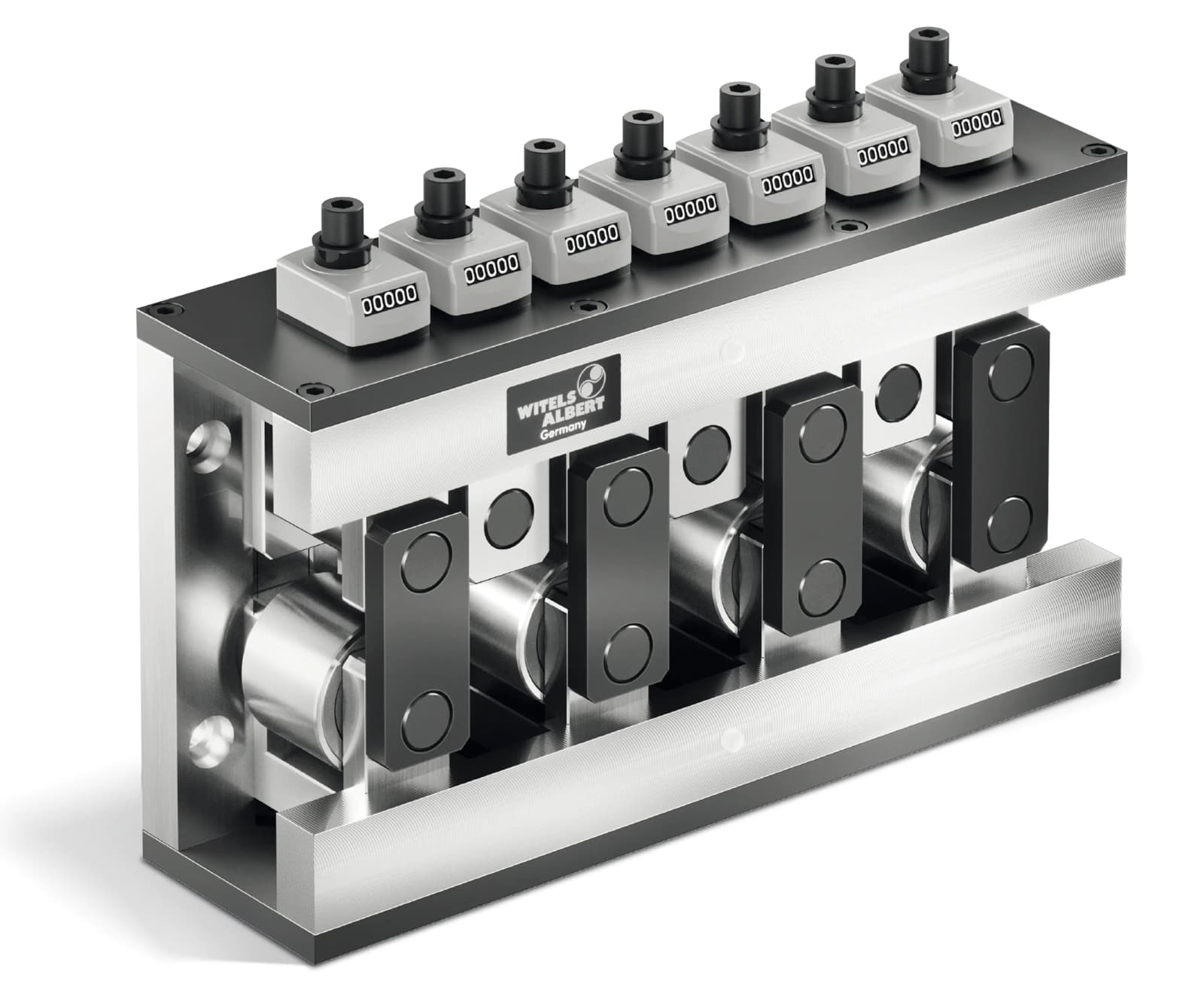
- Series
- 32
- Models
- 449
- Size range
- 0.1–100 mm
- In inches
- 0.004–3.94 in
- US stock & support
- Branford, CT
- Engineered in Germany · ISO 9001 quality system (Witels-Albert GmbH, Berlin)
Materials
Roll configuration
Features
32 of 32 series
32 of 32
Series in this category
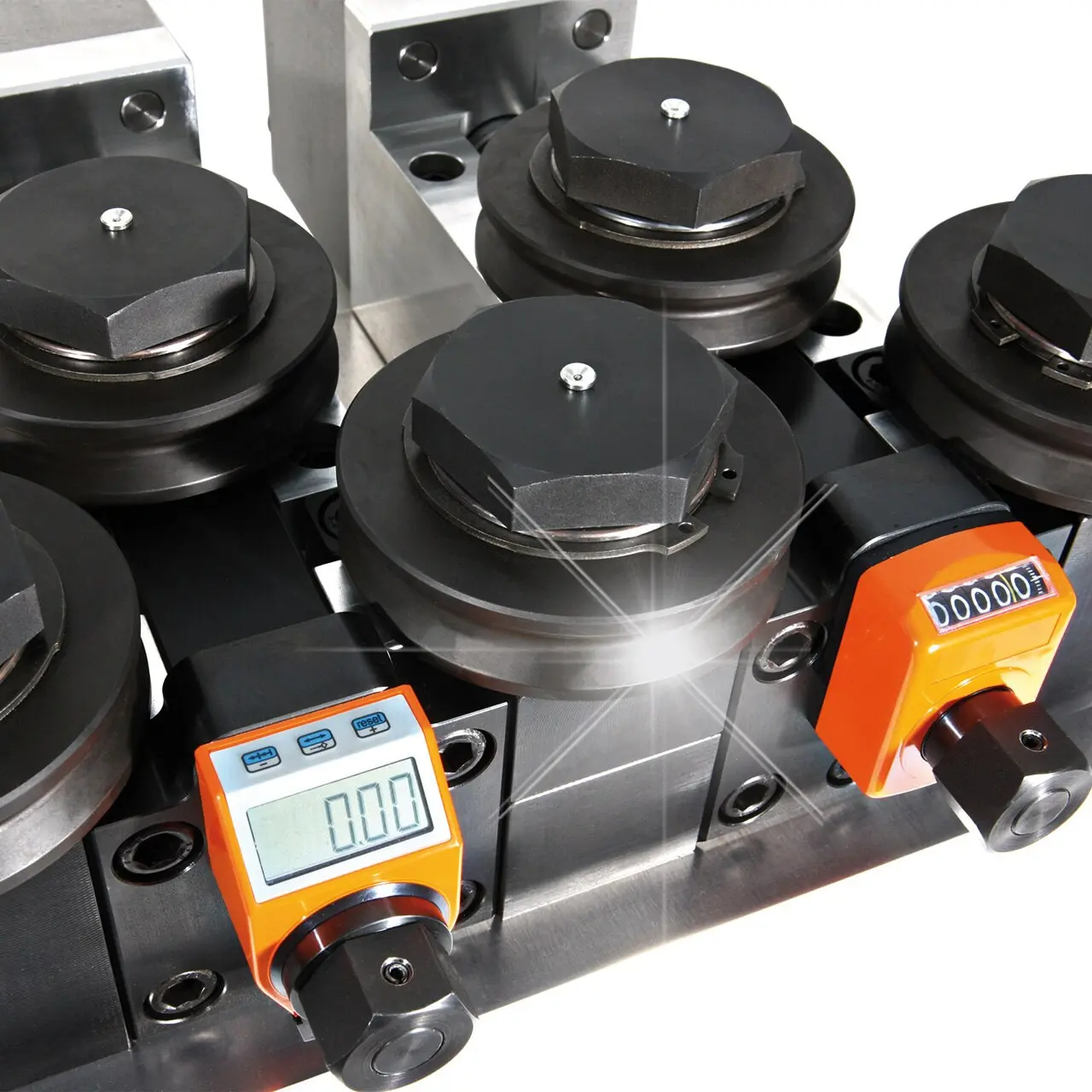
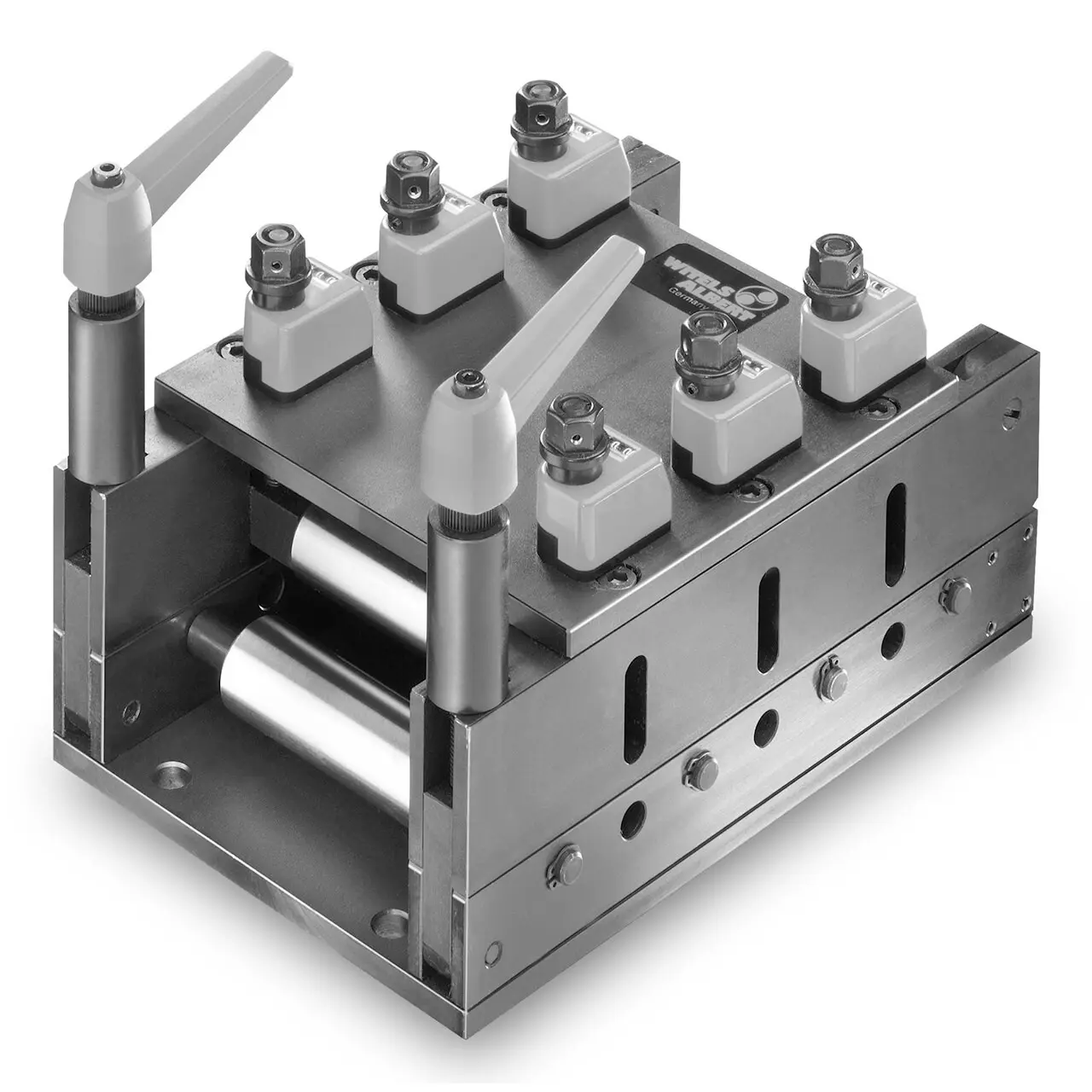
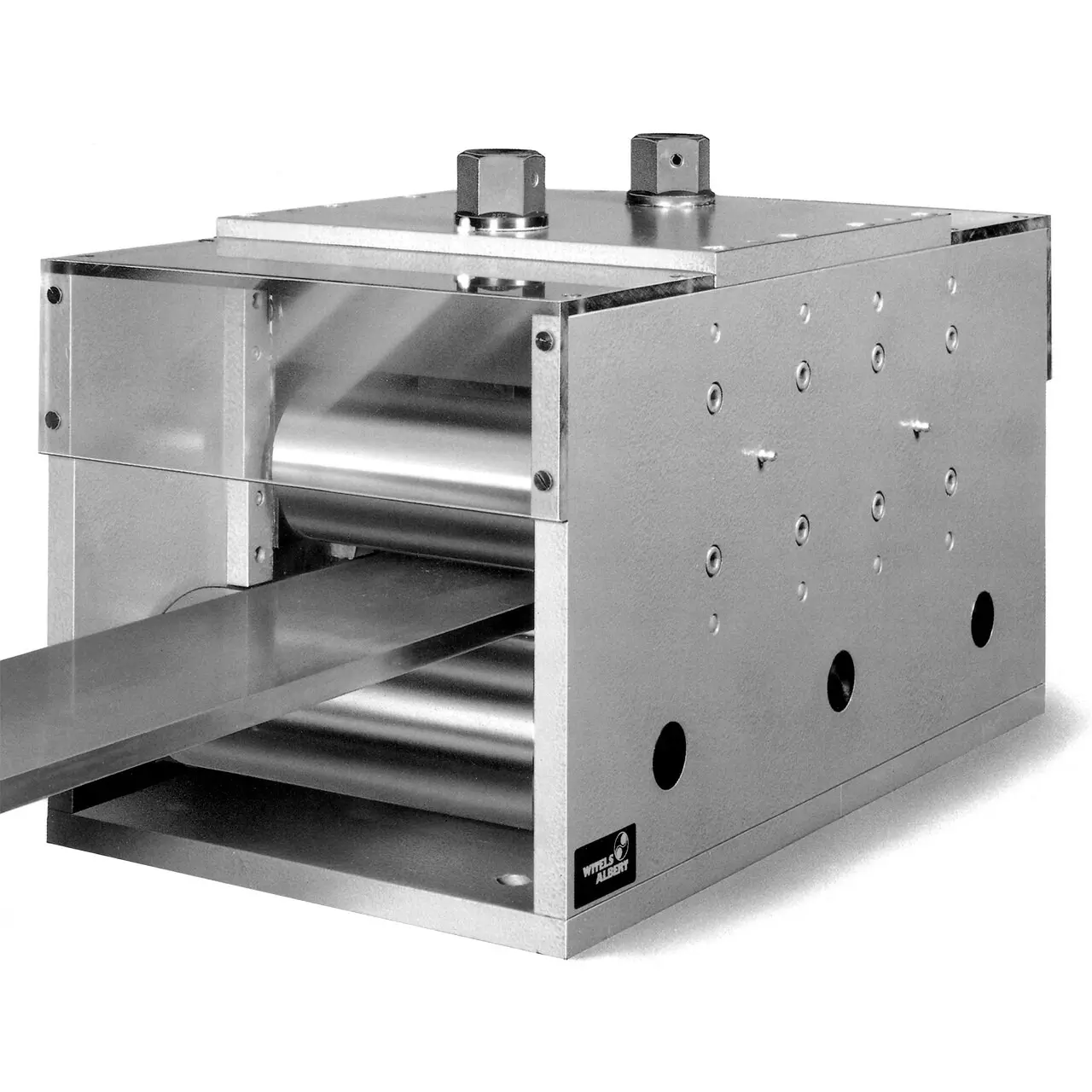
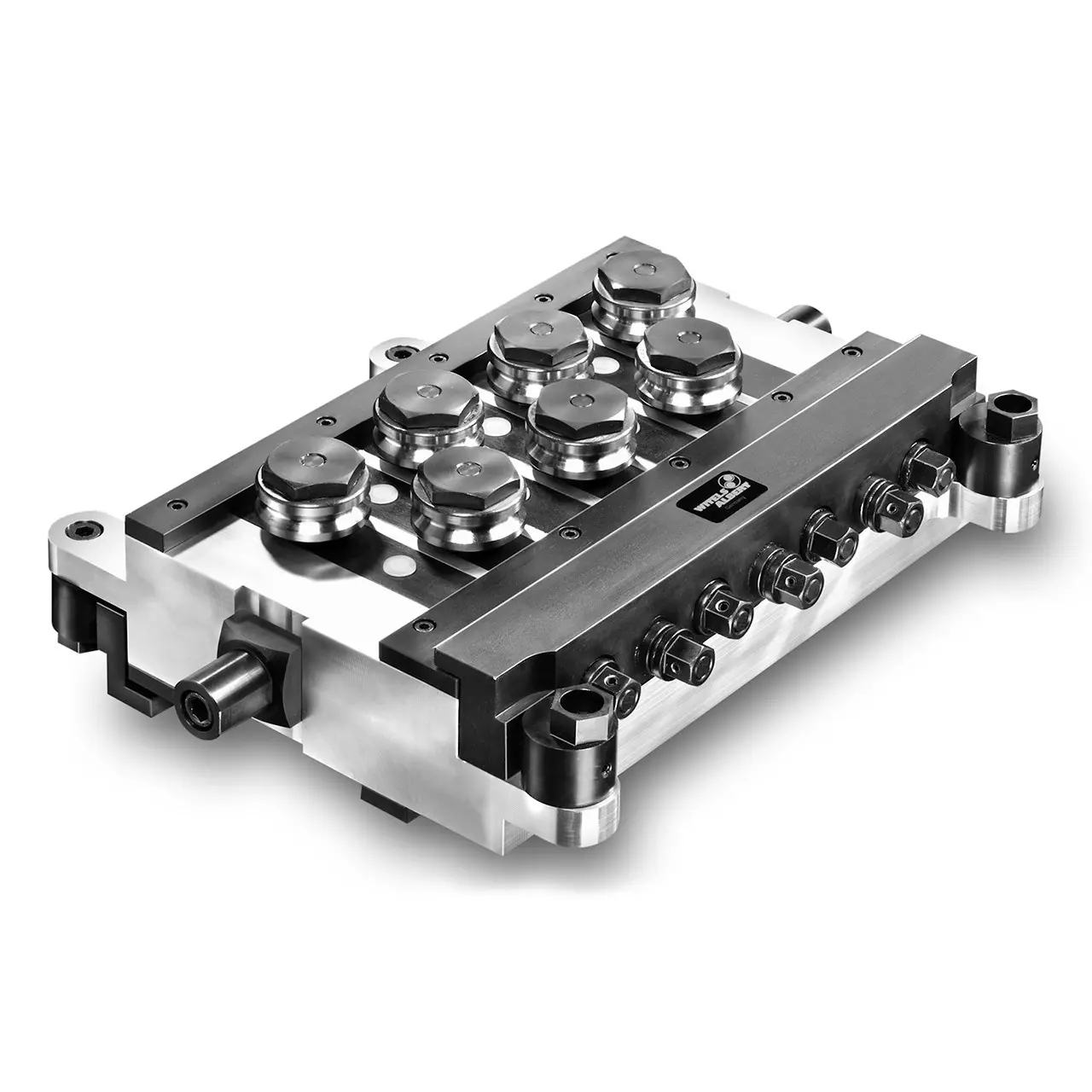
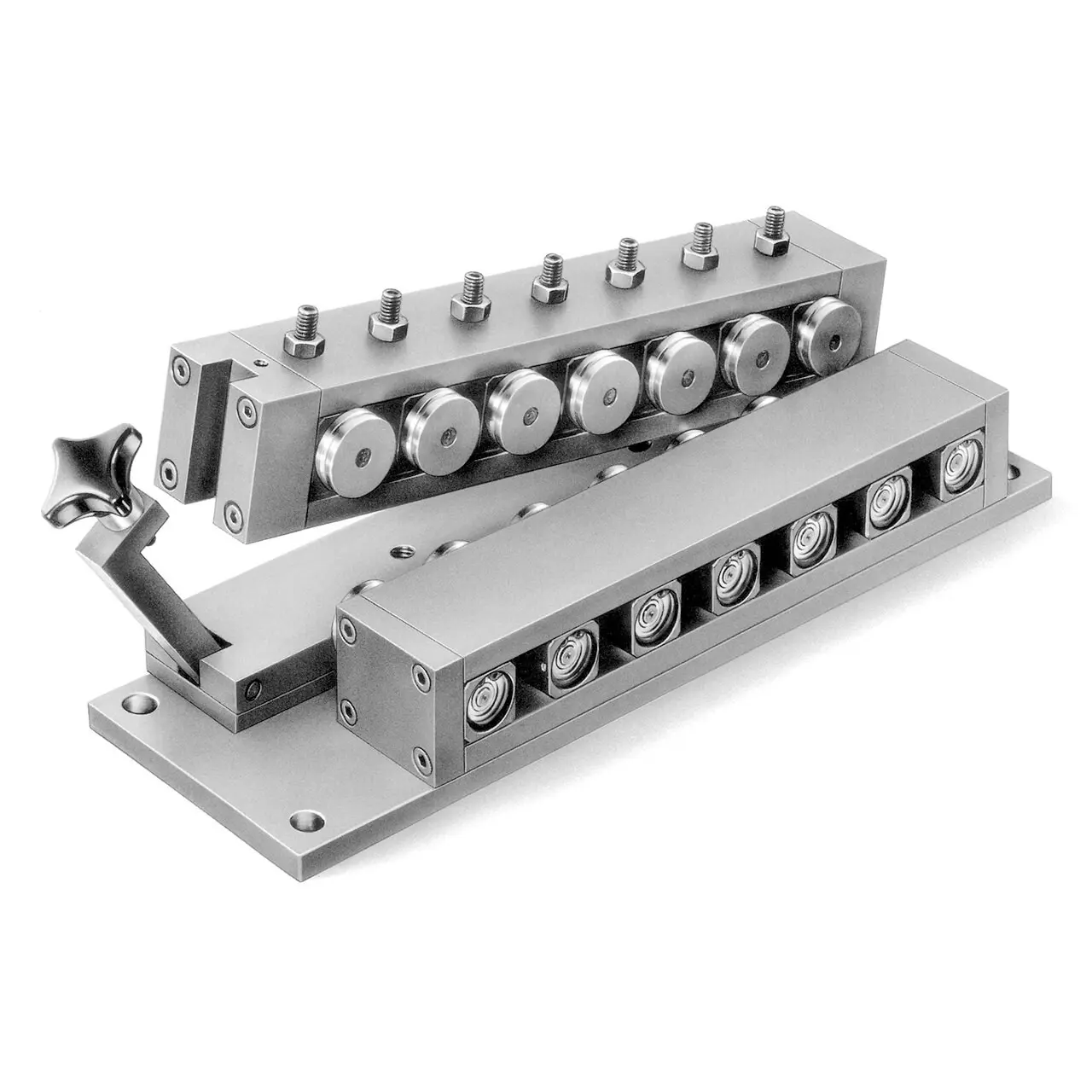
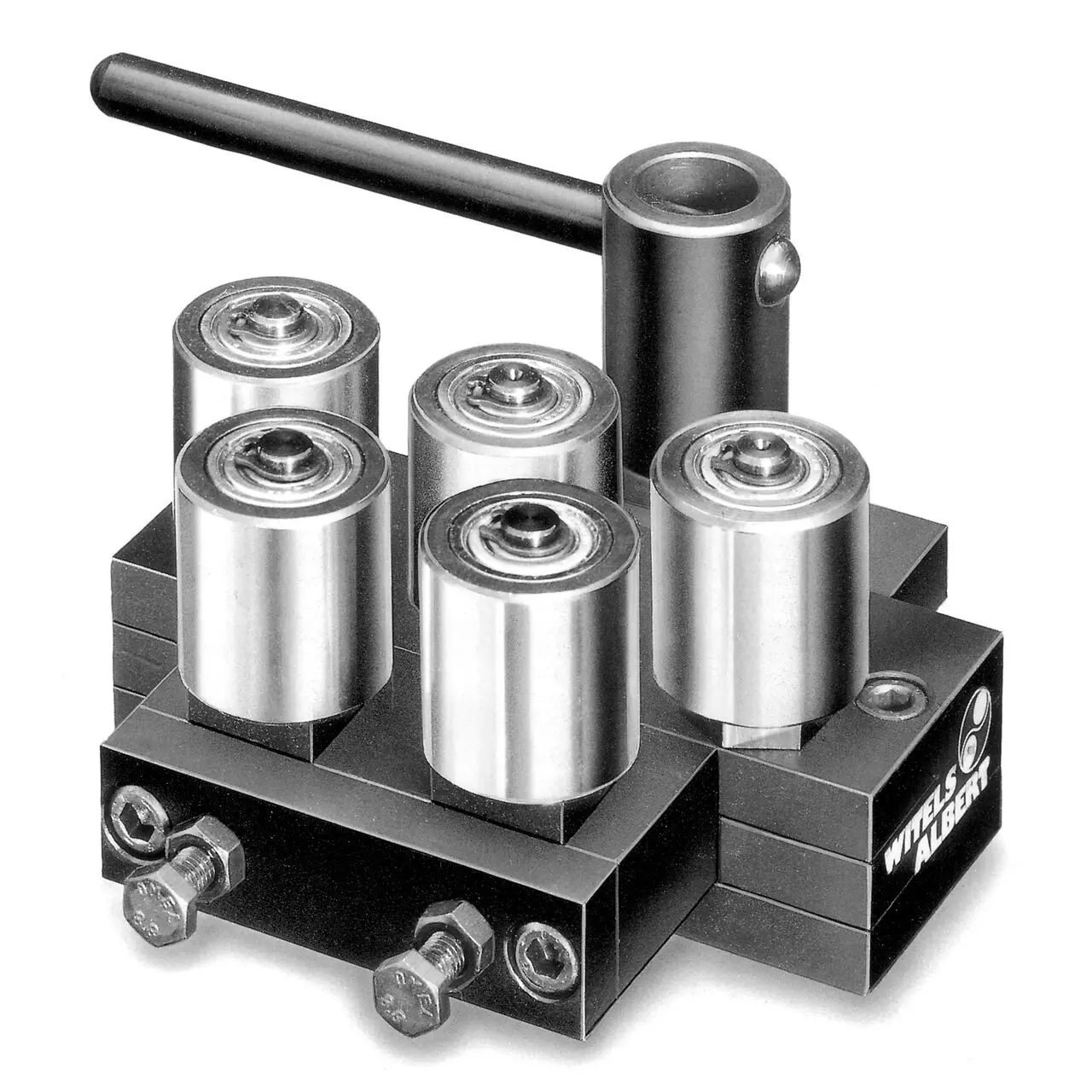
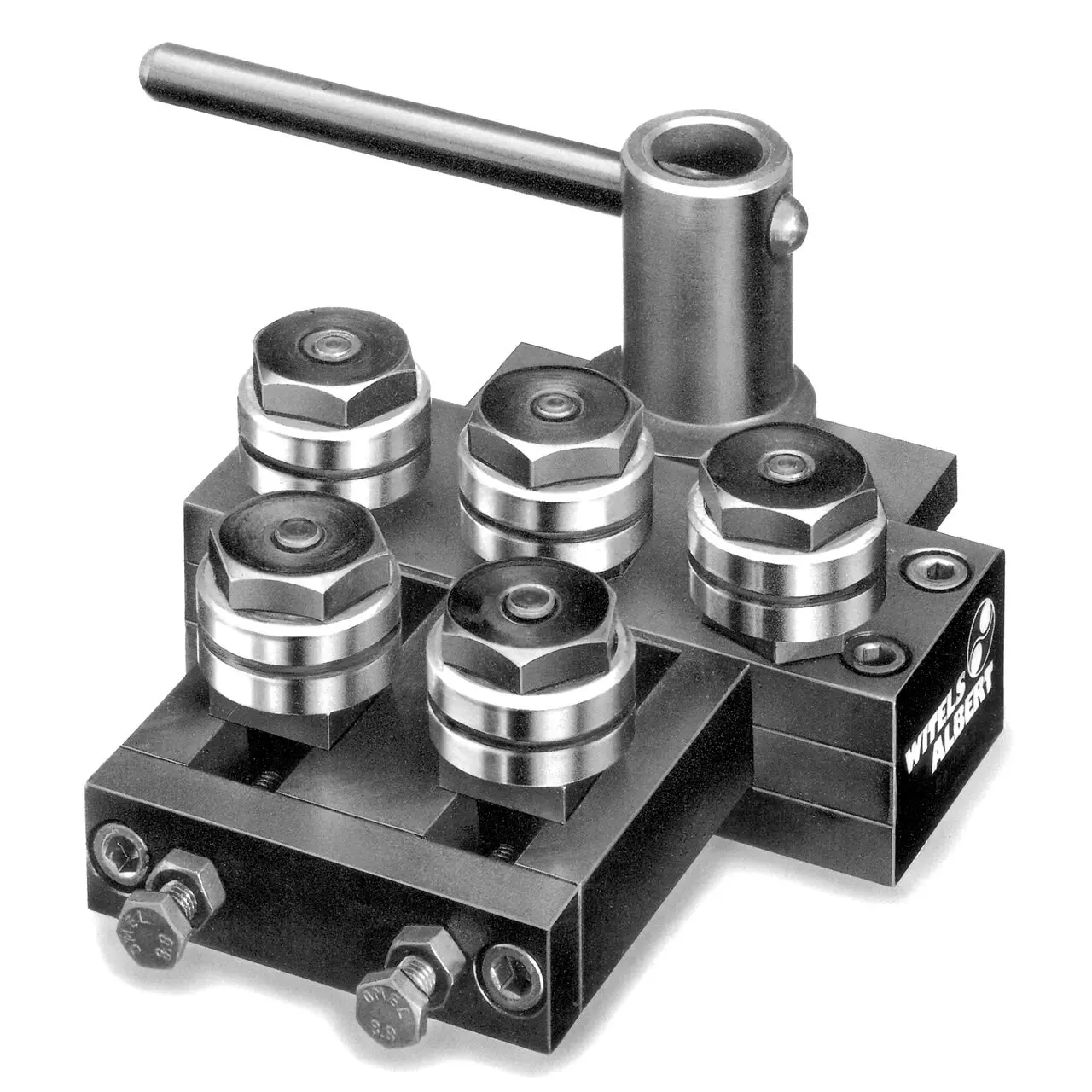
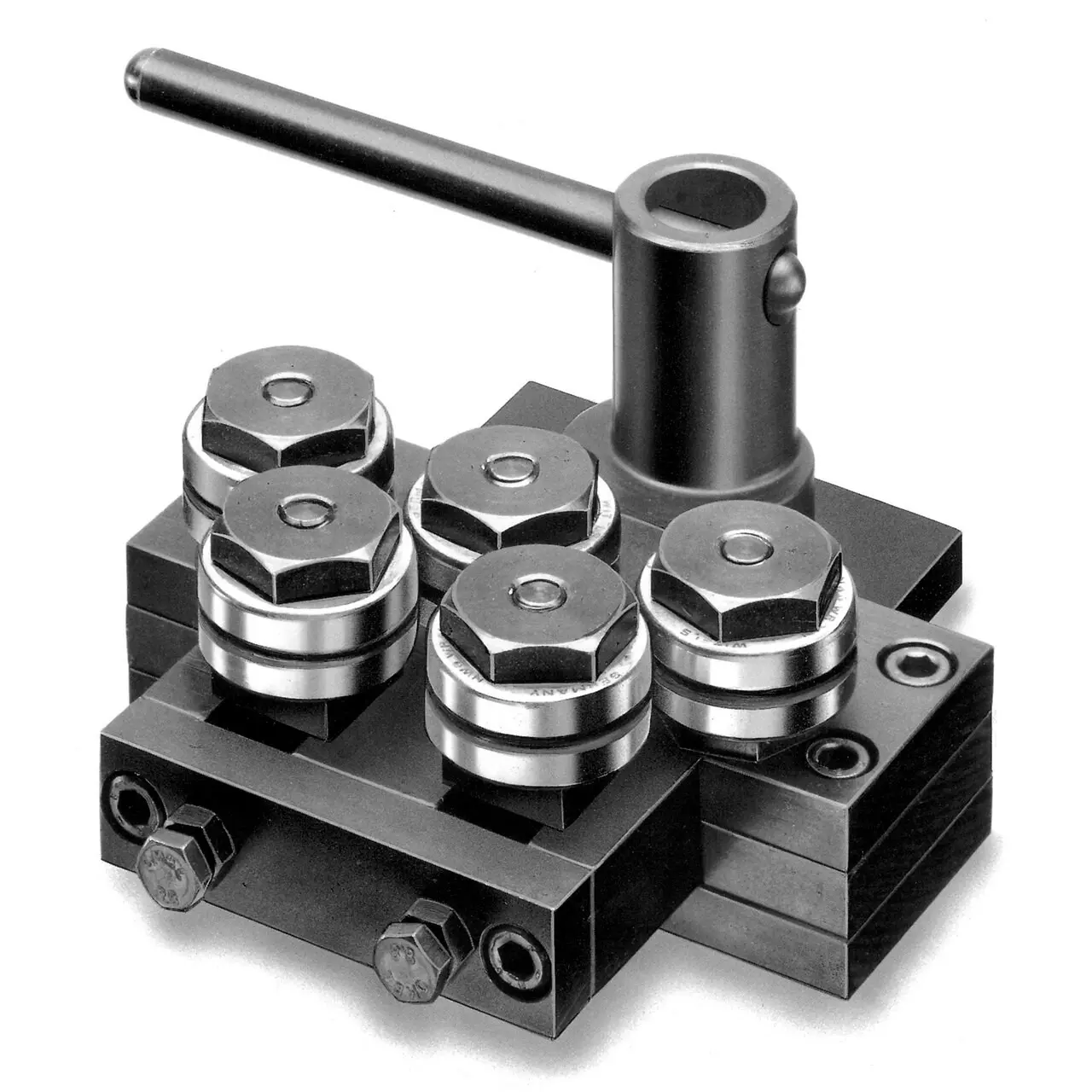
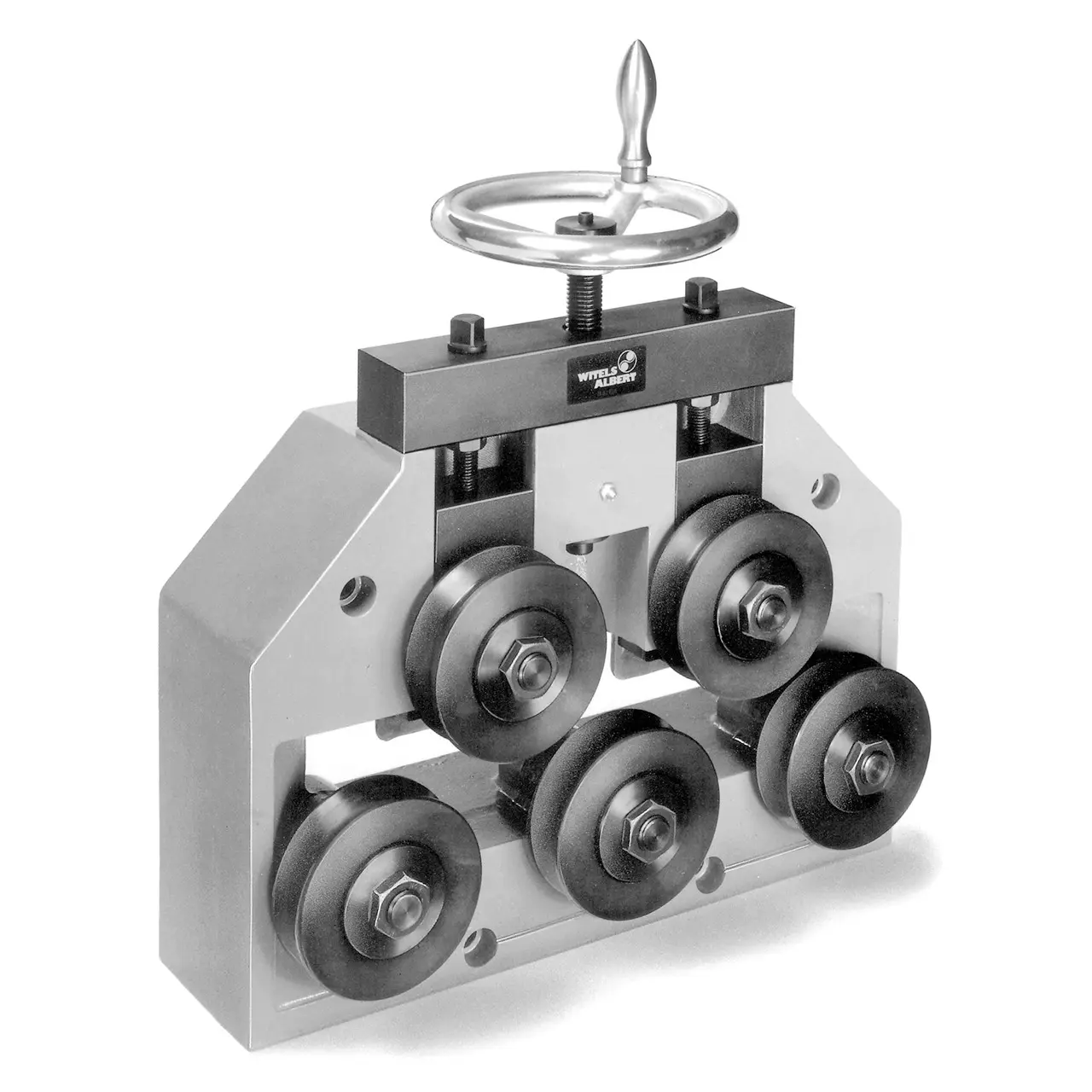
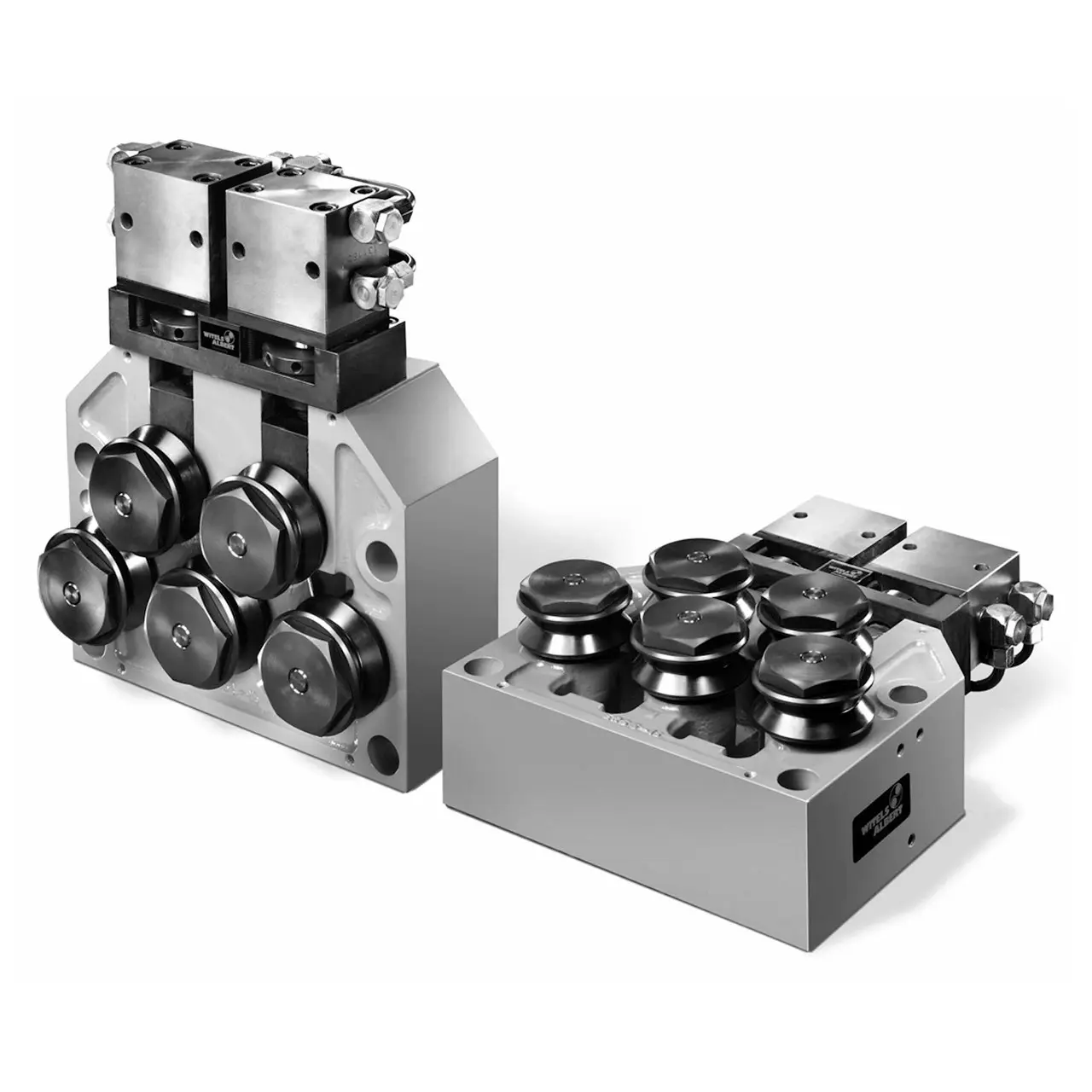
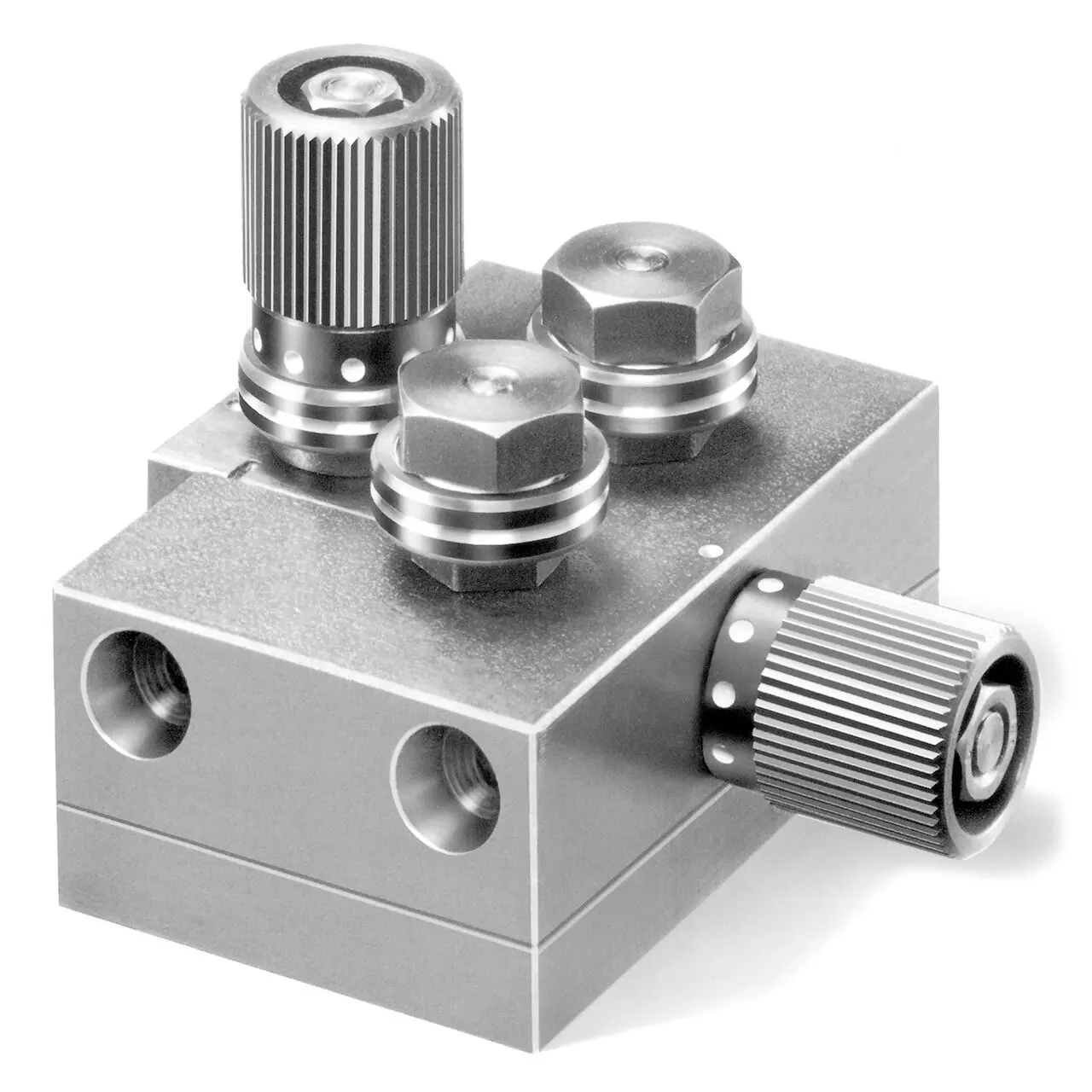
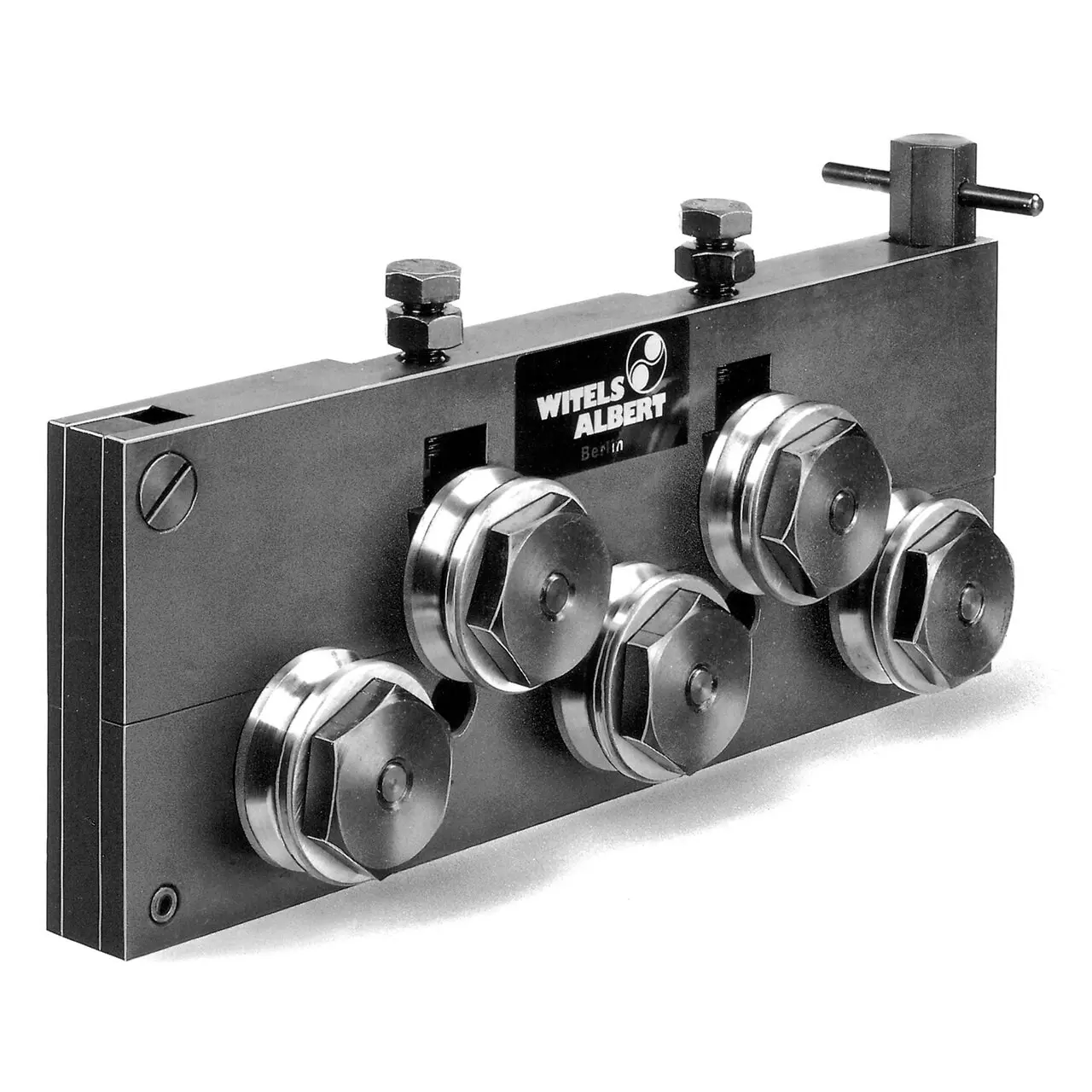
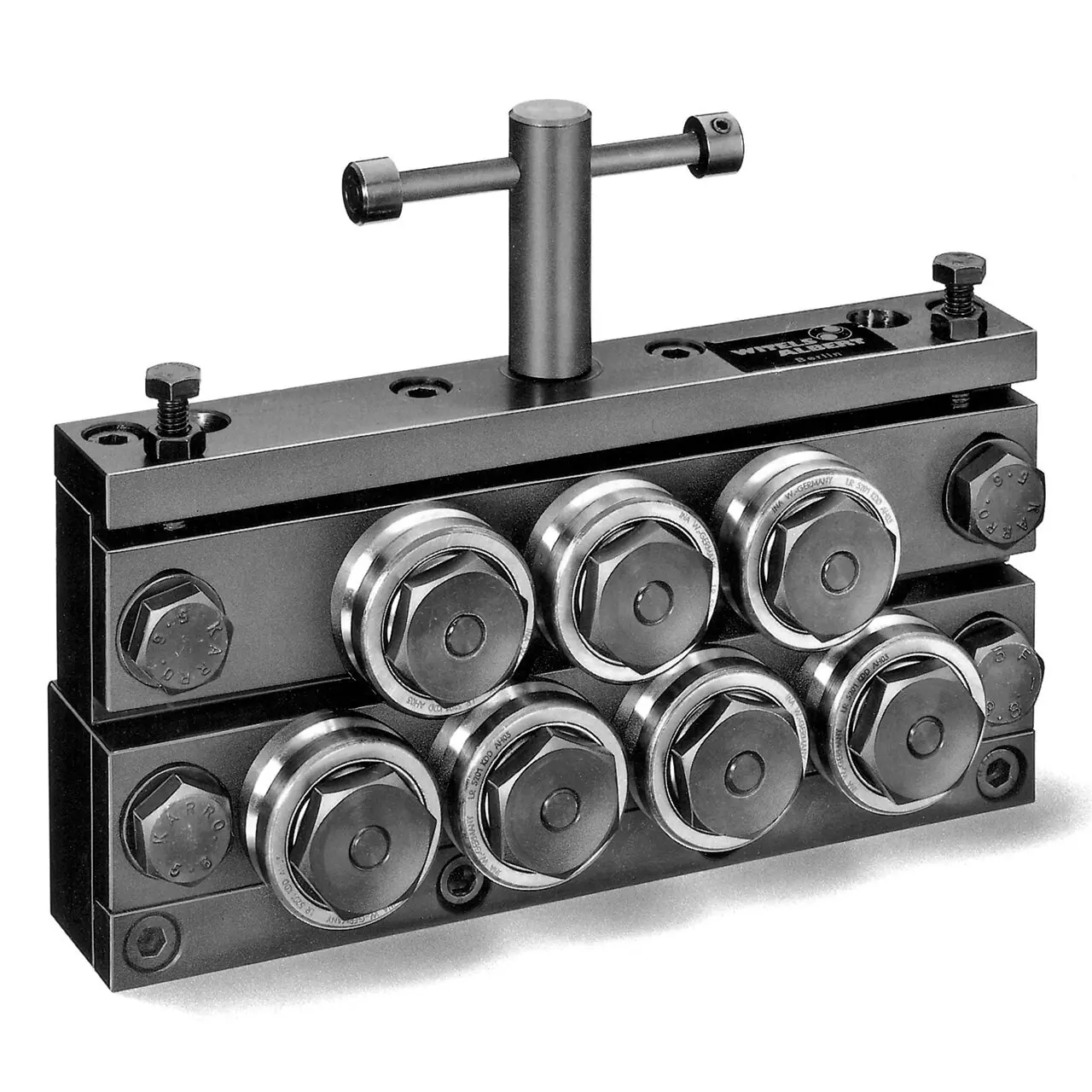
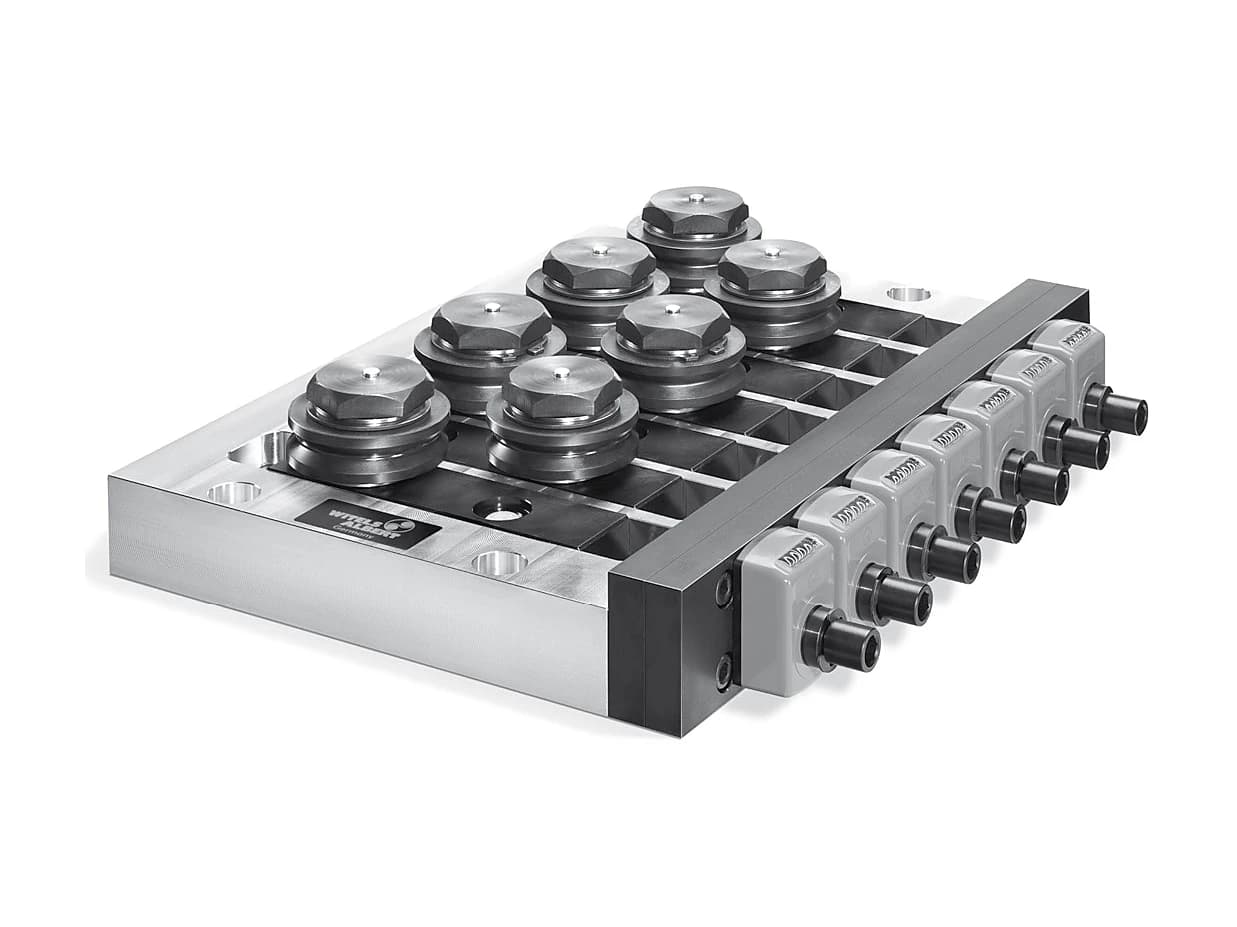
MP 3/4 PO
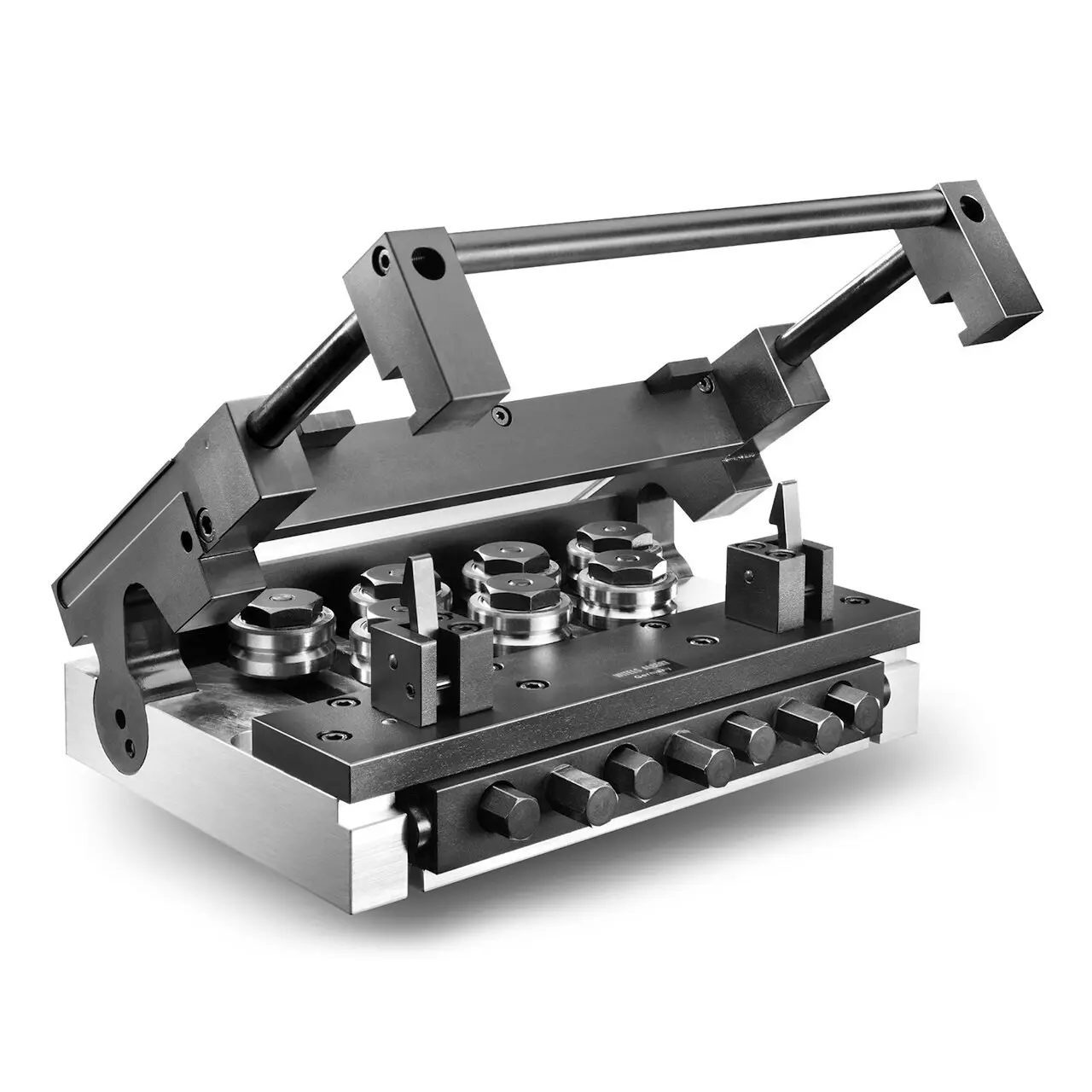
MegaPower MultiPurpose straightener with 7 separately adjustable rollers, each with a position counter, for 4–15 mm.
- Size
- 4–15 mm
- Rolls
- 7
- Wire
- Tube
- Cable
- Adjustable rolls
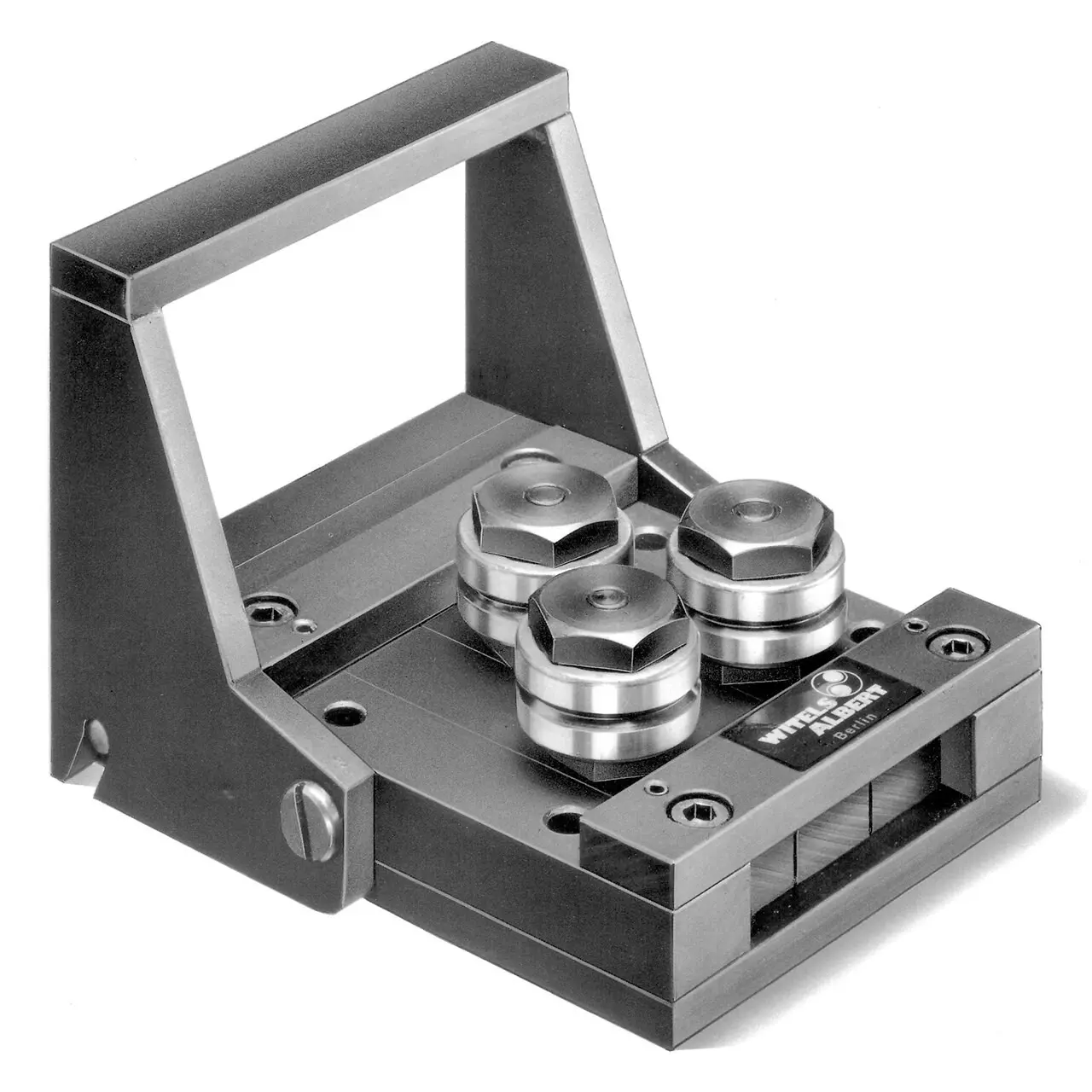
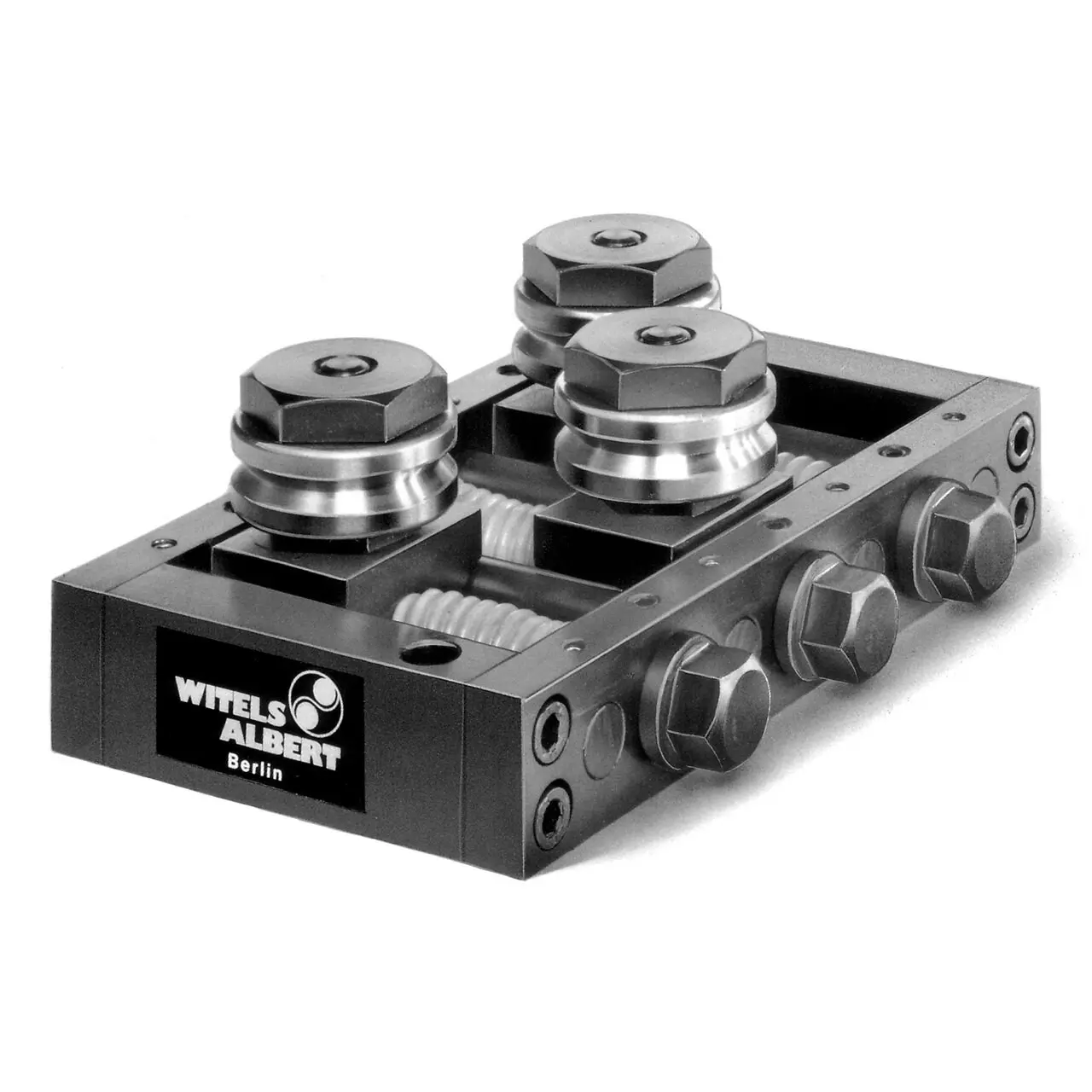
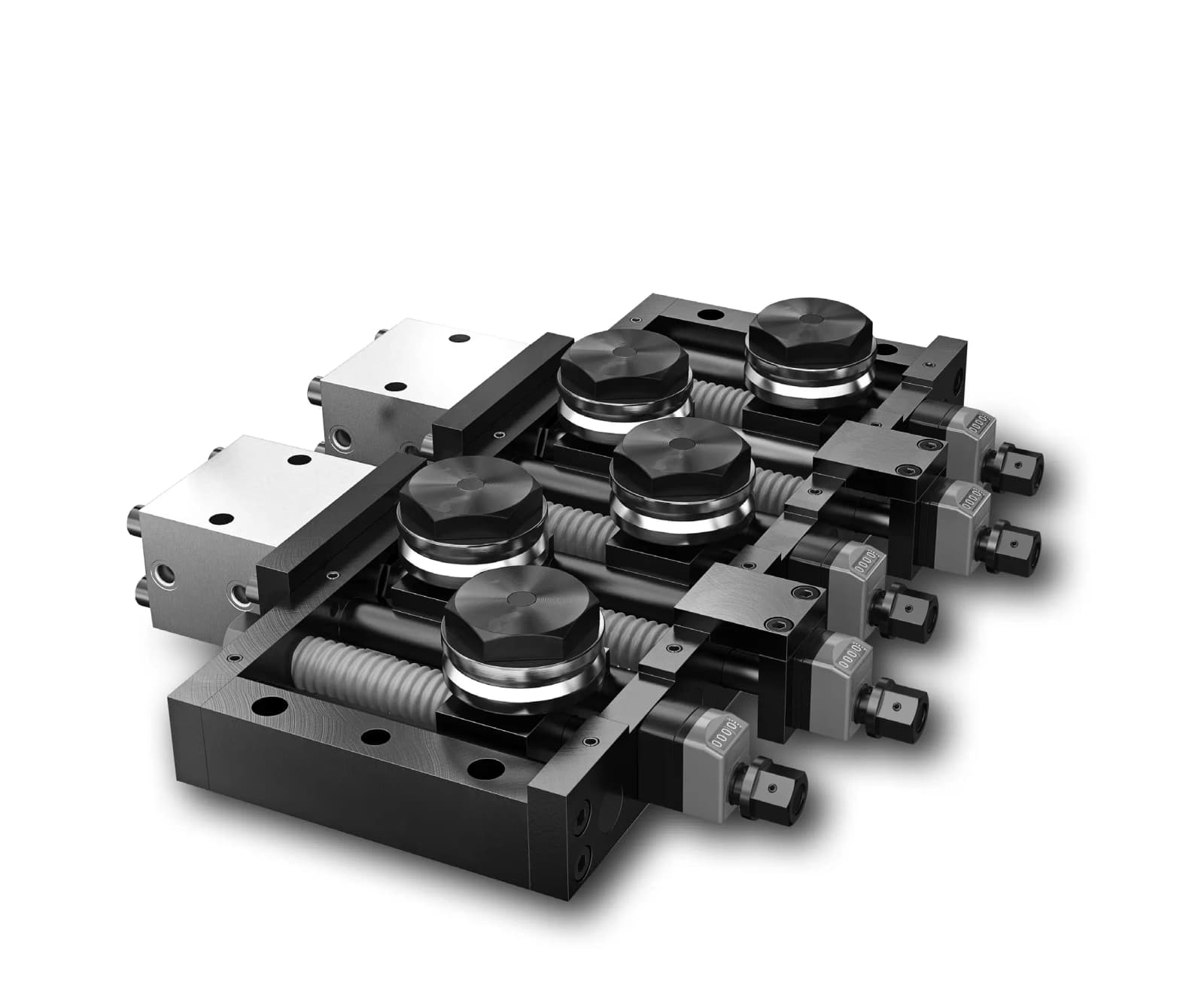
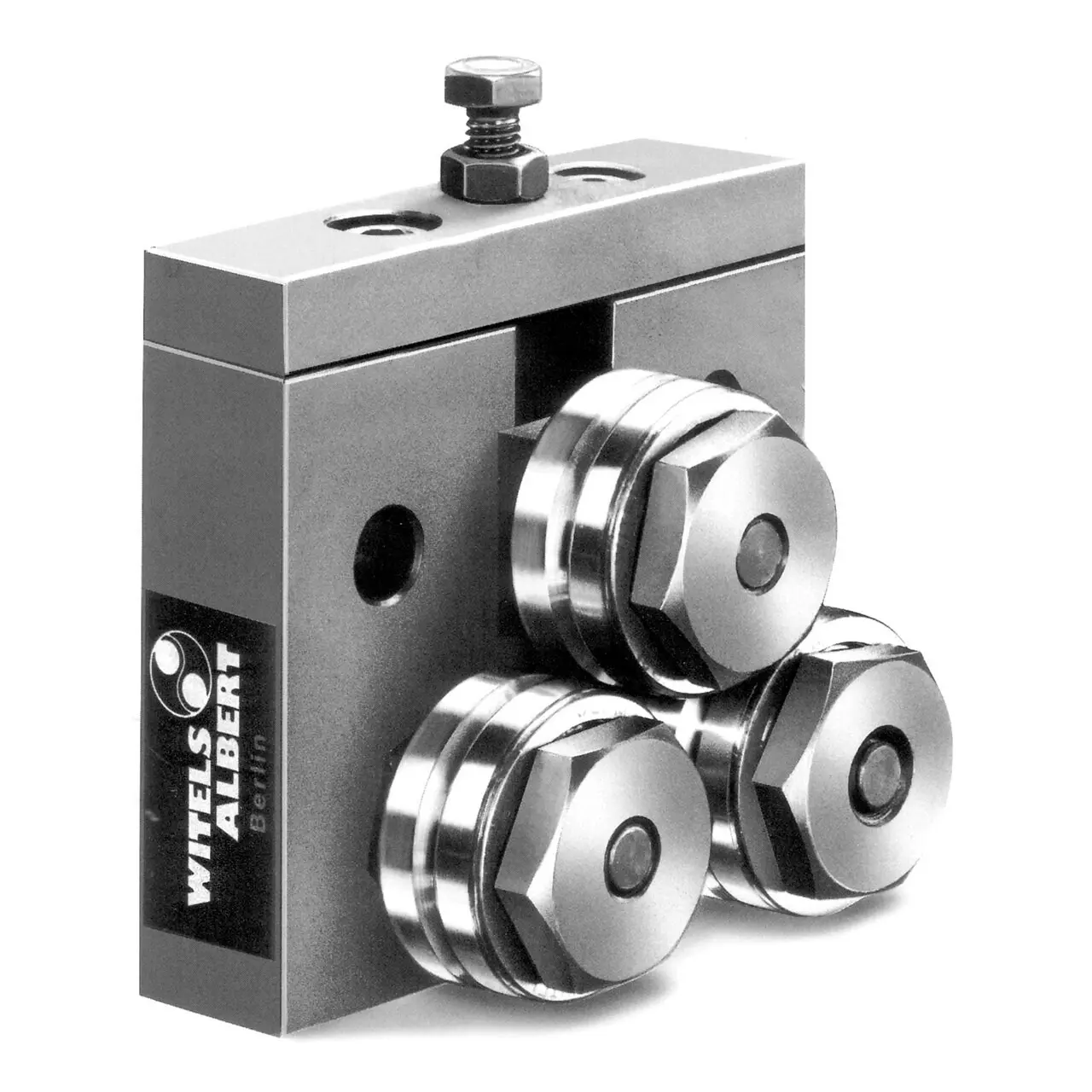
How to choose a wire straightener
1. Start with your material
Round wire and tube typically need different roll geometry than strip or profile. Use the material filters on this page (wire 27 series, tube 24, strip 22, cable 20, profile 17).
2. Choose a roll count
Roll-type straighteners with more straightening rolls give a gentler step-down in bend size. This range covers 1-roll (3 series), 3-roll (8), 5-roll (16), 7-roll (21), 9-roll (7), 11-roll (3), 13-roll (4) and 14-roll (1); some series are available in several roll counts.
3. One plane or two?
Single-plane straightening corrects curvature in one plane; two-plane units add a second set of rolls for cast or helix wire. Some series also correct helicity, twist out of the straightening plane.
4. Roll size, pitch and infeed
Roll pitch has to match material diameter; thick or high-yield material needs larger pitch and rolls. Infeed is set per material, diameter and lot. See how a straightening machine works for the trade-offs.
5. Changeover and repeatability
All 32 series have adjustable rolls; 11 have quick-closing, which matters most on lines that change material or gauge often. Scales or indicators let operators return to a recorded setup. See reproducibility of straightening roller positions.
6. Line integration
Free-running straightener rolls are usually combined with a drive unit or capstan and guide rollers upstream and downstream of the straightener.
7. Rolls and surface protection
Groove profile and roll material limit marking on sensitive wire. Browse replacement straightening rolls matched to your straightener series.
8. What to send for a quote
Use the FAQs below as a checklist, then request a quote or complete the Willy Wire questionnaire.
Frequently asked questions
What is a wire straightener?
A machine that corrects curvature so cutting, forming, welding and coating start from consistently straight stock. Its rolls bend the material alternately, turning an initial curvature into a defined final curvature.
How many straightening rolls do I need?
More rolls generally allow a tighter final curvature tolerance. Fewer rolls apply a more aggressive bend over a shorter machine. More rolls also mean a longer machine and more contact points that can mark the surface.
When do I need two-plane straightening?
When incoming wire is curved in more than one plane, for example cast or helical wire from coils. A second set of rolls, rotated 90 degrees to the first, corrects the second plane.
Does a wire straightener pull the wire through?
In-line wire straighteners usually have free-running rolls, so a drive unit, a capstan or the line itself moves the material. Some rotary, bar and tube straighteners drive the material or rotate the tooling.
What information do you need to recommend a straightener?
Material and yield strength, diameter or cross-section range, incoming curvature (including cast and helix), the residual curvature you need and how you measure it, line speed, and surface sensitivity.
Selection help
Not sure which model fits your line?
Send your material, diameter, and throughput. Our team in Branford, CT works with Witels-Albert in Germany to specify the right configuration.